Image generated by ChatGPT
Polish is hard. Music is inspiring. But can listening to music help us learn a language? I’m sure it can, but to what extent depends on how we prefer to learn, our goals and our methods. Here’s how I use music to enhance my Polish.
Quick links:
- Why use music to learn a language?
- How to incorporate music into your language learning
- Where do you find good music?
- Is music all we need?
Why use music to learn a language?
Motivation: The fun factor
If you’ve ever taken a Polish language course, you’re probably familiar with complicated grammar tables and endless language drills. This may be necessary if you’re aiming to pass an official Polish exam. But for many of us, grammar rules are unlikely to help us speak or understand the language better.
When Polish grammar makes me want to throw the textbook in the bin, Polish music reminds me there’s more to life than conjugations ☺️
Low-effort, passive learning
I’m probably not the only one who has periods of just not being able to cope with more Polish exercises. Music makes sure I don’t turn off the Polish tap completely, even if I don’t actively study what I listen to.
I even see some value in listening to Polish music with English lyrics, or without any lyrics – because there’s a cultural aspect to language learning.


Cultural connection
Music says something about the world and the time it was created in.
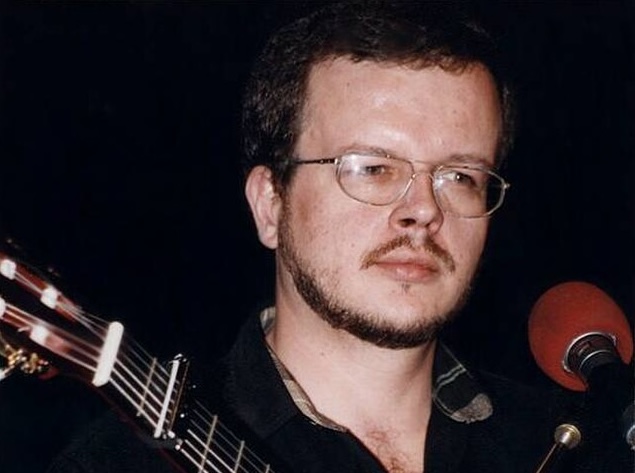
If we expand our listening sessions to explore the life and work of our musical heroes, we learn something about Poland too. For example, the songs of Jacek Kaczmarski lead us to the Solidarność movement and the fall of communism at the end of the 1980s.
It’s a fun way to understand what people care about while getting a few bonus insights into Polish society and history.
The sound of music – and words
Polish spelling is phonetic once you know the rules, but that doesn’t mean it’s easy to pronounce. Music helps us get used to the sounds. And if we refer to the lyrics while listening, it helps us match specific sounds to those famous Polish consonant clusters.
Marek Grechuta has done more than anyone to make me appreciate the sounds of the Polish language. I never get sick of hearing “Wiosna – ach to ty” and “Dni, których nie znamy”, and it doesn’t matter that I don’t fully grasp every single line.
How to incorporate music into your language learning
Find your mix: Everyone learns differently
Some people learn best by reading and writing, others by listening or speaking. The cool thing about music is that it fits most of us. We can read lyrics online or on Spotify or use it to practise listening and pronunciation.
And there’s so much of it, we’ll never ever run out of new learning materials. Whether we make it our main course or a side dish, there’s something for every taste.
Repetition: Playing it on loop
If you’re anything like me, you happily put your favourite songs on repeat. And we all know that repetition is gold if we want to learn something.
For example, listen to Maanam’s Kocham cię, kochanie moje a few times and you’ll never forget how to say “I love you” in Polish.

Common phrases
Music lyrics may seem daunting to beginners, and it may take a long time before we can make sense of them. And many lyrics are not exactly made to help language learners, even when we start to understand more.
Having said that, in almost every Polish song I find at least one useful phrase that teaches me something new or helps me cement something I’m struggling with.
I don’t know how long it took me to memorise pieniądze, the most common word for money. The track “Pieniądze” in the classic Polish musical Metro helped the most, because it slowly repeats the word over and over again.
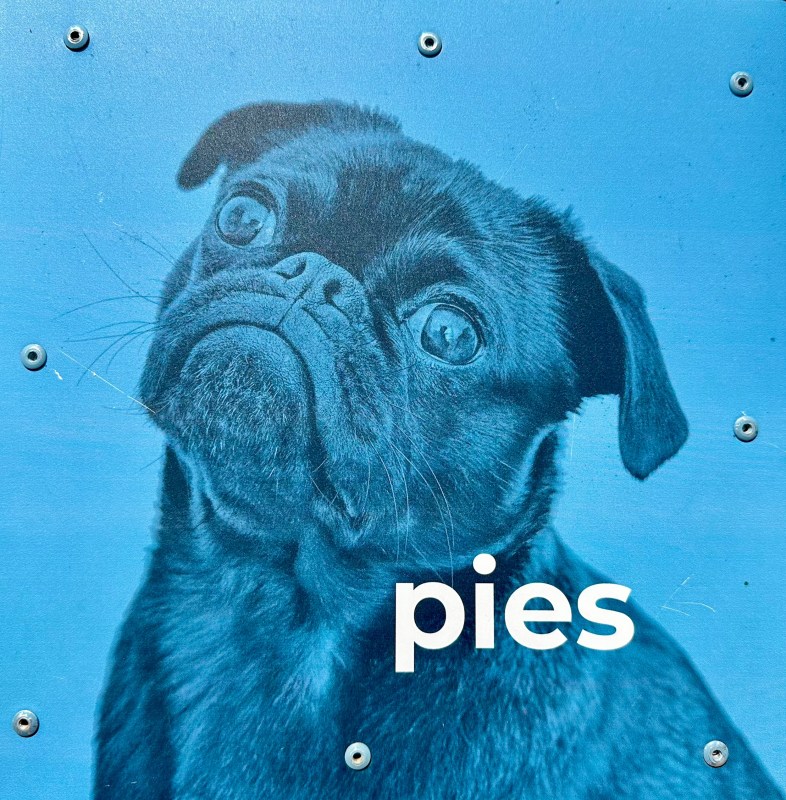
Also, some songs are suitable for beginners, like “Spokój” by Super Girl and Romantic Boys or “Pies” by Ralph Kaminski.


Basic grammar without the scary tables
For me, grammar rules rarely click when I see them on a chart. But when language structures are incorporated into a song, they stick.
Myslovitz’ “Dla ciebie” (“for you) and Akurat’s “Lubię mówić z tobą” (“I like talking with you”) show us that “you” is “ciebie” after the preposition “dla” but “tobą” after the preposition “z”.
Hearing these kinds of constructions in context can be super valuable – eventually, they’ll sound natural and we’ll never say “dla tobą” by mistake!
Step-by-step method to maximise what we learn
By turning passive listening into active practising, we can squeeze the most out of our love for our favourite bands and artists. Here’s how I do it:
- Pick a song I like — say, Anna Jantar’s “Stan pogody” (“weather conditions) — and check the lyrics online or on Spotify.
- Note the most useful words and phrases in the song and drop them into a spaced repetition app like Anki (they have a free version so you can start without commitment).
- Review your words and phrases during downtime — on the bus, in the supermarket queue, while you’re waiting for your turn at the doctor’s.
- This way, I’m building a personal glossary with words that matter to me. This glossary has proved a lot more useful than the phrases I get from language apps and textbooks.
- You can also make a note of anything you don’t understand and ask a Polish friend or teacher next time you see them. Personally though, I don’t feel that I have to understand every detail of every song!
Where do you find good music?
If you’re new to Polish music, it can be tricky to find music you like.
Sing Polish on Instagram
I recently started sharing Polish music and simple phrases on Instagram. Feel free to follow the account for regular music tips.
Or explore the Sing Polish playlists on Spotify or YouTube – they’re full of songs Polish people have recommended to me over the years.
Playlists with Polish music
Is music all we need?
Just listening to music will hardly bring us all the way to fluency. But as long as it keeps us motivated, and if we use it wisely, it’s definitely helpful.
For other ways to make Polish study more fun, check out this article with top tips for learning Polish.


Leave a comment