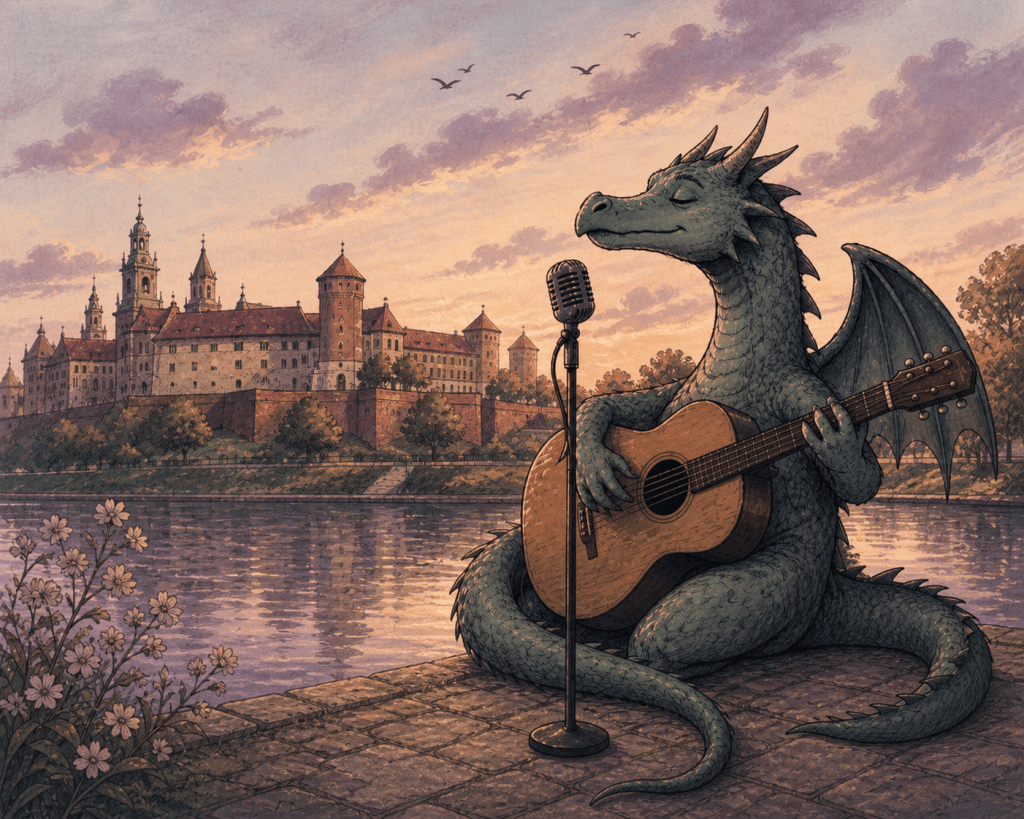
Image made with ChatGPT
Some of Poland’s most cherished bands and singers have a strong connection to Kraków. Here’s a starter guide to Kraków’s music scene from the 1960s up to today. Listen along to the playlist with artists such as Marek Grechuta, Maanam, and Kroke, and explore their stories below.
Quick links – jump straight to:
- Kraków: Poland’s cultural capital?
- Playlist with music from Kraków
- Golden Oldies: 60s and 70s debutants
- Rebellious rock stars starting out in the 1980s
- Key acts from the 1990s onwards
- Newer Kraków voices
- Sources
- Suggested Kraków music walking tour
- What’s your favourite Kraków band?
- Follow Sing Polish
Kraków: Poland’s cultural capital?
When I moved to Poland in 2012, several people I met (Polish and non-Polish) described Kraków as the country’s “cultural capital”. Compared to cosmopolitan and business-oriented Warsaw, people said, Kraków had a bigger and better art and music scene.
Since then, I’ve also heard many people disagree with this description. Personally, I came to the conclusion that both Warsaw and Kraków know how to rock. There are tons of interesting acts from both cities, even if they’re quite different:
Warsaw has a diverse music scene with strong representation of every music style (including rock, punk, soul, hip hop, electronic and dance).
Kraków’s popular music tradition is strongly rooted in “poezja śpiewana” (“sung poetry”), a genre based around music created to accompany poetry. In general, the city has repeatedly produced artists who lean towards the arty and reflective, sometimes coupled with a rebellious streak and hefty irony.
Playlist with music from Kraków
Listen to the artists in this article on Sing Polish’s playlist on YouTube or Spotify and read more about the artists below.
Golden Oldies: 60s and 70s debutants
Ewa Demarczyk – the “Black Angel”
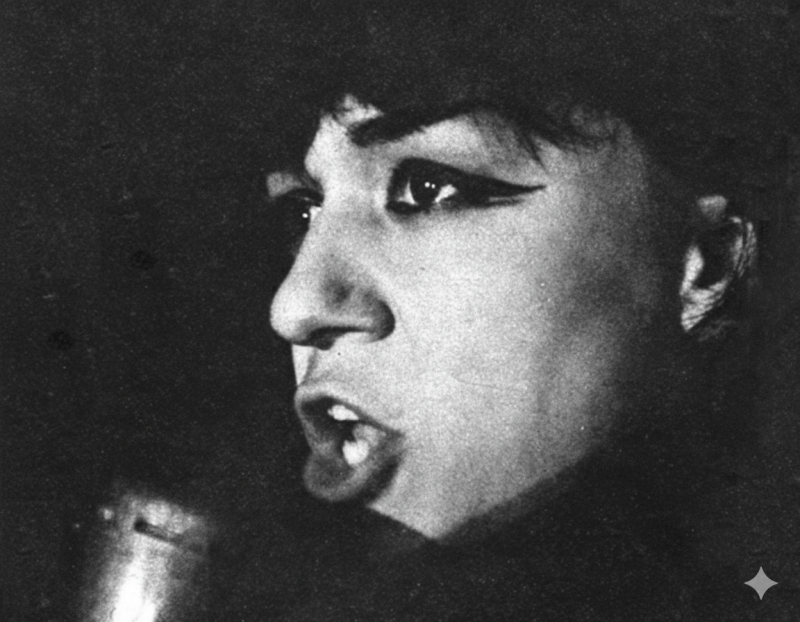
Ewa Demarczyk (1941-2020) made a deep impact in Poland and beyond.
Her career began in Kraków’s student cabaret scene in the early 1960s. Soon, she became the star of Piwnica pod Baranami – a basement bar with a stage for cabaret and other performances on Rynek, Kraków’s main square.
[👈 Click on the arrow for more about Ewa Demarczyk]
Known as the “Black Angel”, Demarczyk performed dramatic interpretations of classic poetry. While she expressed herself generously on stage, she protected her personal integrity like a treasure. She didn’t give many interviews and not a whole lot is known about her.
In 2010, she received the Golden Fryderyk Award for her entire career. She’s buried in Cmentarz Rakowicki in Kraków.
You won’t find her recordings on Spotify, but there are plenty on YouTube.
Quick facts about Ewa Demarczyk
What kind of music did Ewa Demarczyk make?
Cabaret and sung poetry accompanied by dramatic, minimalist arrangements.
How long was Ewa Demarczyk active?
Primarily from the early 1960s until the late 1990s.
What were Ewa Demarczyk’s biggest hits?
“Karuzela z Madonnami,” “Grande Valse Brillante,” and “Tomaszów.”
Tell me one interesting fact about Ewa Demarczyk I should know:
Not a lot is known about her private life, but according to some sources (for example this YouTube video), her second husband was a thief and a fraudster who even stole jewellery from Demarczyk herself.
Which artists in Western Europe or America can Ewa Demarczyk be compared to?
Imagine Edith Piaf singing her heart out about love, loss, and the Polish trauma of the Second World War.
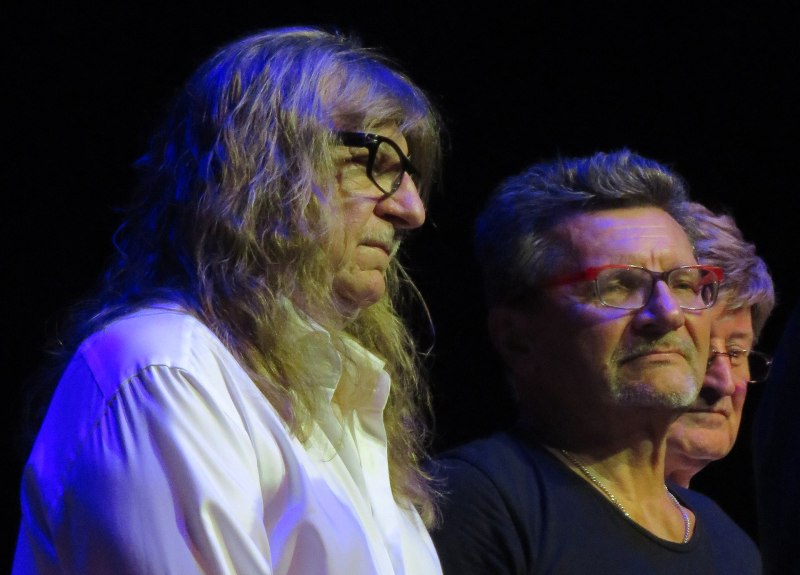
Skaldowie – one of Poland’s biggest 60s acts
Skaldowie mixed big beat (Poland’s version of rock in the 60s) with folk, prog, pop and psychedelia served with catchy melodies. The first album, titled simply “Skaldowie”, was released in 1967.
[👈 Click on the arrow for more about Skaldowie]
Over the coming decades, the band recorded more albums and toured in the Soviet Union, Western Europe, and the US.
They also ventured outside the world of pop: In 1968, they starred in the film “Kulig” (Sleigh Ride), for which the band’s founder Andrzej Zieliński composed the music. Andrzej Zieliński also wrote the music for a ballet. His brother Jacek collaborated with Kraków’s famous bar Piwnica pod Baranami and composed the music for a play performed there.
On 20 June 2016, the band was in a car accident. Andrzej Zieliński was the most seriously injured, but managed to recover from a broken spine. Jacek Zieliński passed away on 6 May 2024.
Quick facts about Skaldowie
What kind of music does Skaldowie make?
Melodious pop and rock mixed with folk, prog, and psychedelia.
How long have Skaldowie been active?
The band celebrated its 50th anniversary in 2015, with concerts in Chorzów, Kraków, Poznań, Warsaw, Wrocław and other Polish cities.
What are Skaldowie’s biggest hits?
“Wszystko mi mówi, że mnie ktoś pokochał,” “Medytacje wiejskiego listonosza.”
Tell me one interesting fact about Skaldowie I should know:
In 1977, the band was effectively cancelled by the authorities for some time. The reason was that the poet Leszek Aleksander Moczulski wrote the lyrics to one of Skaldowie’s songs. The authorities mistook him for Leszek Moczulski, a politician who openly opposed the communist party. [Source: Wikipedia]
Which artists in Western Europe or America can Skaldowie be compared to?
The Beatles, the Beach Boys, the Byrds, Procol Harum, and Mama and the Papas, with added influences from Góral (Highlander) music.
Marek Grechuta – a giant of Polish music
Grechuta left behind a catalogue of well-crafted, timeless classics. Born and bred in Zamość, he moved to Kraków in 1963 to study architecture.
[👈 Click on the arrow for more about Grechuta]
Grechuta was one of the most famous representatives of so-called “sung poetry” (a genre common not just in Poland but also in the rest of Central and Eastern Europe). But he wasn’t stuck in a single genre and also explored jazz, prog-rock, and pop.
Grechuta played with Anawa (a group formed by himself and Jan Kanty-Pawluśkiewicz) from 1966 to 1971. According to Wikipedia, they described their work as “fairground and circus art, with breaks for lyrical song.”
From 1976 to 1986, he was closely associated with Piwnica pod Baranami, the underground bar famous for literary cabaret performances. Several Polish superstars have performed here during the years, including jazz musician Krzysztof Komeda, singer Ewa Demarczyk, and more recently Grzegorz Turnau.
In 1977, he performed alongside Maryla Rodowicz in the musical Szalona lokomotywa (The Crazy Locomotive).
During the 1980s and 1990s he was still active recording music, but also spent periods devoted to writing and painting.
In 2001, he received the Golden Fryderyk Award for lifetime achievement in the arts. Two years later, he recorded the song “Kraków” with Polish indie rock giants Myslovitz.
Following a period of illness, he passed away in 2006.
Quick facts about Marek Grechuta
What kind of music did Marek Grechuta make?
Sung poetry, rock, jazz, and string arrangements.
How long was Marek Grechuta active?
From the late 1960s until his death in 2006.
What were Marek Grechuta’s biggest hits?
“Dni, których nie znamy,” “Nie dokazuj,” “Będziesz moją panią”, “Wiosna”.
Tell me one interesting fact about Marek Grechuta I should know:
Many of his songs have an intricate structure, perhaps reflecting his background as a trained architect.
Which artists in Western Europe or America can Marek Grechuta be compared to?
Scott Walker, Donovan, and Robert Wyatt with an added heavy dose of Polish cabaret and poetry.
Related article:

Andrzej Zaucha – self-taught musical prodigy
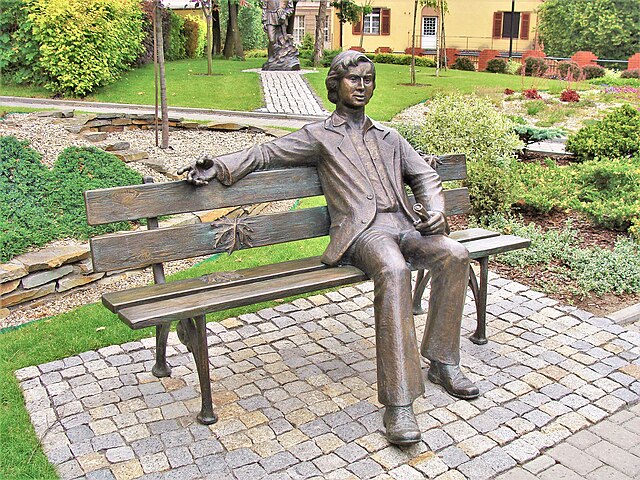
Born and bred in Kraków, Zaucha was a self-taught jazz, soul, and pop musician.
He played with the band Anawa after Marek Grechuta left the band in 1971. He also played with the group Dżamble and collaborated with numerous jazz and rock/pop musicians, composed music for Polish TV and film, and released solo records.
[👈 Click on the arrow for more about Zaucha]
From 1973 to 1979 he spent time abroad, performing in clubs and pubs in West Germany, Austria, Switzerland, and the Netherlands.
Back in Poland, he went solo in 1980 and released his first solo album Wszystkie stworzenia duże i małe (All creatures great and small) in 1983. The title hit was a duet with Ewa Bem.
Other solo recordings and plenty of Polish live performances followed. He also recorded for film and TV, including the Polish version of the theme song for the Disney cartoon Adventures of the Gummi Bears.
Quick facts about Andrzej Zaucha
What kind of music did Andrzej Zaucha make?
Pop, jazz, soul, funk, and easy listening.
How long was Andrzej Zaucha active?
From the late 1960s until his death in 1991.
What were Andrzej Zaucha’s biggest hits?
“Byłaś serca biciem”, “C’est la vie – Paryż z pocztówki.”
Tell me one interesting fact about Andrzej Zaucha I should know:
Zaucha’s life was cut short by a tragic event in 1991. He was shot to death outside Kraków’s STU Theatre by the French film maker Yves Goulais. Goulais admitted his crime and explained that he was jealous of Zaucha’s friendship (or possible affair) with his wife Zuzanna Leśniak.
Which artists in Western Europe or America can Andrzej Zaucha be compared to?
Bobby Caldwell, Michael McDonald, Steely Dan, George Benson, Bill Withers.
Related article:
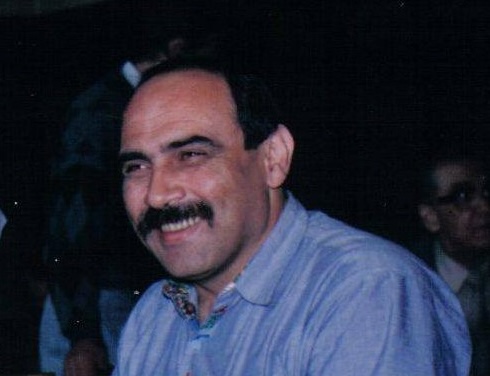
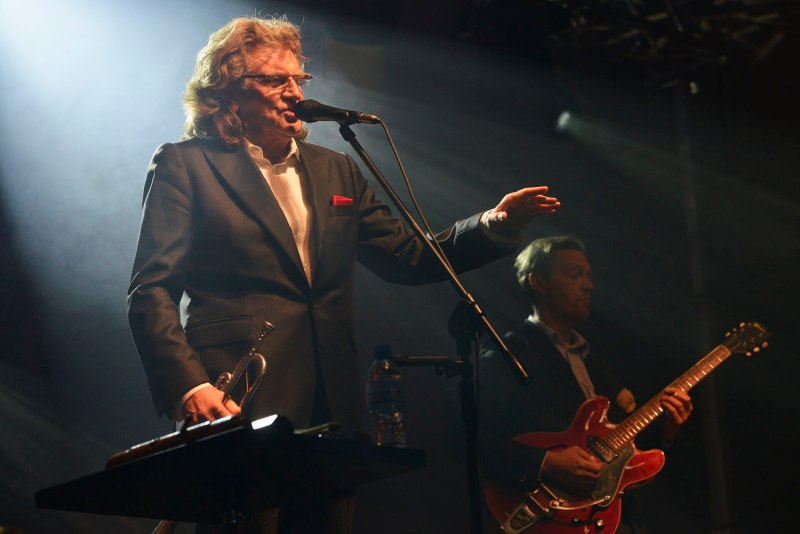
Zbigniew Wodecki – multi-instrumentalist and singer
Wodecki was a classically trained violinist who became a pop icon with a string of hits like “Lubię wracać tam, gdzie byłem”.
Born into a musical family (his dad played the trumpet, his mum was a soprano), he began his musical career in the 1960s. At the age of 17, he became involved with the cabaret Piwnica pod Baranami. He played the violin in the bands Czarne Perły and Anawa, including on the album Marek Grechuta & Anawa (1970). He also accompanied Ewa Demarczyk on her international concert tours between 1968 and 1973.
[👈 Click on the arrow for more about Wodecki]
In the 1970s, he debuted as a singer and his debut EP Tak to ty (“Yes, It’s You”) was released in 1974. His first full-length album, simply titled Zbigniew Wodecki, followed in 1976.
In 1987 he released his first studio album in nine years, titled Dusze kobiet (Women’s souls) and also performed in Romania, Bulgaria, Israel, Cuba, and other places. Toward the end of the decade, he toured with Halina Frąckowiak and Andrzej Zaucha, among others.
During the 2000s, he continued performing and recording. He also appeared on TV, including for commercial and social campaigns, and served for 11 seasons as one of the judges on Dancing with the Stars.
In 2014 he collaborated with Mitch & Mitch and their live album 1976: A Space Odyssey received two Fryderyk awards in the categories “Album of the Year” and “Song/Track of the Year” for the track “Rzuć wszystko co złe“ (Throw away all that is bad).
Wodecki was composing, performing, recording, and taking part in TV shows until he died. He passed away in 2017 following complications after heart surgery.
Quick facts about Zbigniew Wodecki
What kind of music did Zbigniew Wodecki make?
Orchestrated light jazz and easy listening, often with sophisticated arrangements.
How long was Zbigniew Wodecki active?
From the 1960s until his death in 2017.
What were Zbigniew Wodecki’s biggest hits?
“Lubię wracać tam, gdzie byłem”, “Zacznij od Bacha”, and the theme from Pszczółka Maja.
Tell me one interesting fact about Zbigniew Wodecki I should know:
In 1983, he resigned from the Polish Radio and Television Orchestra as a protest against the political situation in the country.
Which artists in Western Europe or America can Zbigniew Wodecki be compared to?
Burt Bacharach, Neil Diamond, Paul McCartney
Rebellious rock stars starting out in the 1980s
Maanam – 80s rock at its finest
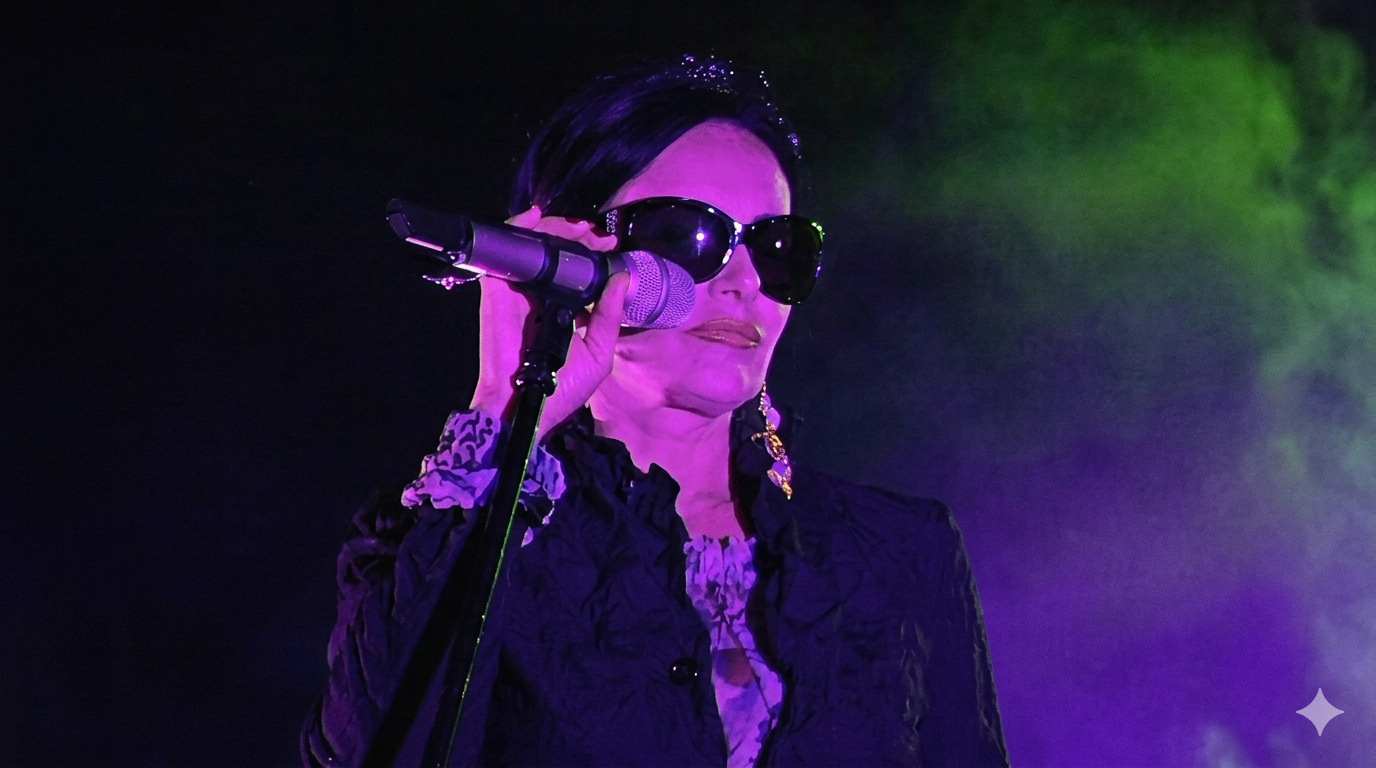
Sometimes, bands emerge that somehow manage to capture the mood of an entire generation. With tracks like “Krakowski spleen”, “Cyklady”, and “Nocny patrol”, to name just a few, Maanam provided the soundtrack to Poland throughout the 1980s and beyond.
👈 Click on the arrow for more about Maanam
Fronted by the uber-cool and charismatic Kora (Olga Jackowska), Maanam won the hearts of both the public and the critics. They also became masters of navigating the communist authorities’ music censorship. Kora’s metaphor-heavy lyrics turned political reality into emotional states that resonated deeply with a broad audience.
They released a total of 11 studio albums, most of which were hugely successful in Poland. They also recorded several albums in English and were one of the first Polish groups to be played on international MTV.
Quick facts about Maanam
What kind of music did Maanam make?
Arty, post-punk–inflected rock, often with catchy melodies and poetic lyrics that had mainstream appeal.
How long were Maanam active?
From 1975 until 2008.
What were Maanam’s biggest hits?
“Kocham cię, kochanie moje,” “Cykady na Cykladach,” and “Boskie Buenos”, to name a few.
Tell me one interesting fact about Maanam I should know about:
Kora was married to Marek Jackowski (who founded the band) for many years. They continued working together after they divorced.
Which bands in Western Europe or America can Maanam be compared to?
Blondie, Siouxsie and the Banshees, Magazine, The Police.
Related article:
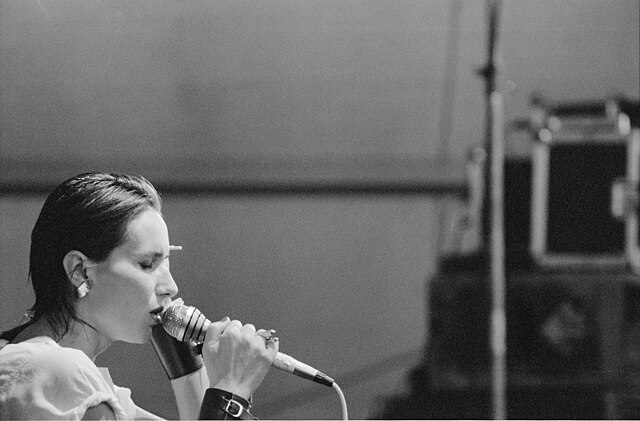
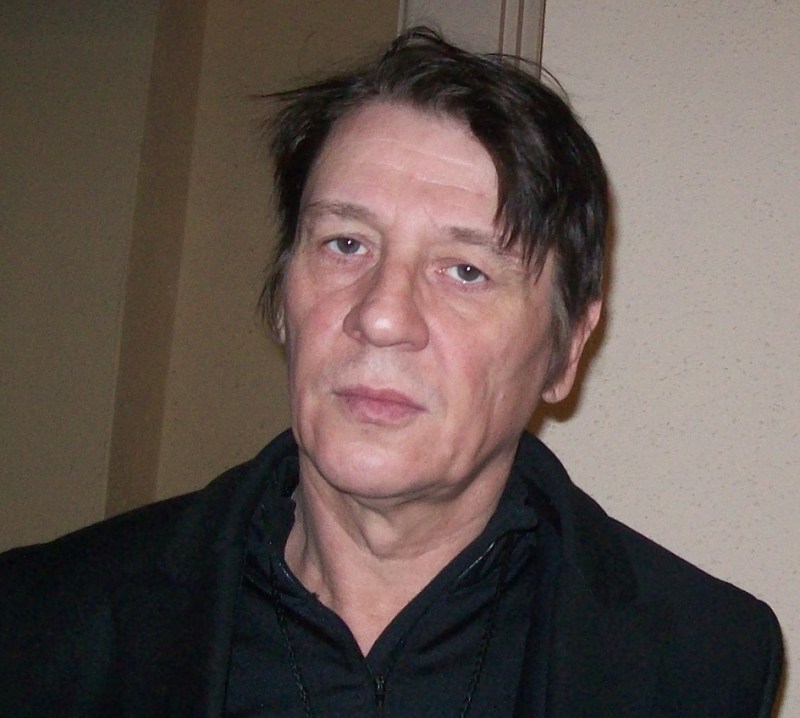
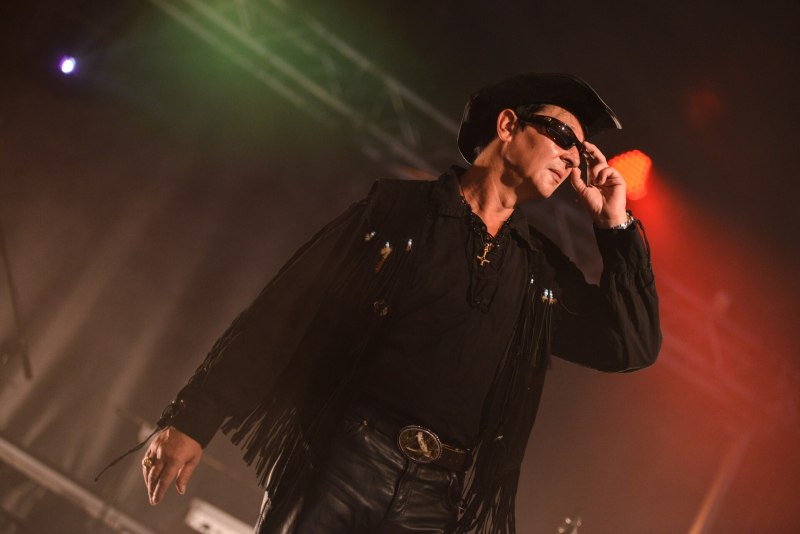
Maciej Maleńczuk – provocative musician and poet
Maleńczuk started as a busker on the streets of Kraków’s Stare Miasto (the old town), where he became known as the “bard of Kraków”. Since then, he’s founded or collaborated with a bunch of interesting bands.
[👈 Click on the arrow for more about Maleńczuk]
Besides music, he’s also a published poet and playwright, and has been one of the jurors of the Polish version of Idol. Not one to shy away from controversy, he spent two years in prison after refusing military service in 1981. In 2011, he was fined for punching a pro-life activist in the face.
He’s been in several interesting bands over the years:
Püdelsi
He joined the dynamic group Püdelsi in 1986, and served on and off as the vocalist and frontman until August 2005. During Maleńczuk’s time in the band, they recorded five albums – including Wolność słowa, which achieved gold status and reached number 2 on Poland’s official album list.
The band draws inspiration from many genres, including psychedelic rock, metal, and reggae.
Homo Twist
Homo Twist formed in 1990, when Maleńczuk decided to give his poetry an electric backdrop. The band name, Maleńczuk has said, should be interpreted as Human Dance (“Homo znaczy człowiek, a twist to twist”) [source: Kultura Poznan]. Like Püdelsi, the band has seen band members coming and going and the sound evolved to become heavier and darker with time.
The first album, Cały ten seks (All this sex), was released in 1994. It includes a song dedicated to Kraków (“Miasto Kraków”) – just don’t expect a rose-tinted, tourist-friendly description of the city ;)
Yugopolis
In 2011, he recorded the monster hit “Ostatnia nocka” with Yugopolis. Related article:
Solo albums
He’s also recorded a bunch of solo albums, including Jazz for Idiots in 2016.
Football anthem
A fan of the Kraków sports club Cracovia, he wrote and recorded the “Hymn Cracovii” in 2004. It’s sung before every football match.
Maciej Maleńczuk Z Zespołem Psychodancing
The band Maciej Maleńczuk z zespołem psychodancing recorded the album Psychocountry in 2012, which includes a cover of “Highwayman”.
Quick facts about Maciej Maleńczuk
What kind of music does Maciej Maleńczuk make?
Rock that varies from blues-oriented to heavy, plus alternative pop and provocative singer-songwriter material.
How long has Maciej Maleńczuk been active?
From the early 1980s to today.
What are Maciej Maleńczuk’s biggest hits?
“Ostatnia nocka,” (with Yugopolis) “Synu,” “Tango Libido.”
Tell me one interesting fact about Maciej Maleńczuk I should know:
At one point, Homo Twist could call themselves “the tallest rock band in Poland”, with an average height of 1.90 metres. [Source: Music Corner Records]
Which artists in Western Europe or America can Maciej Maleńczuk be compared to?
Lou Reed, Iggy Pop, Nick Cave, Primus
Key acts from the 1990s onwards
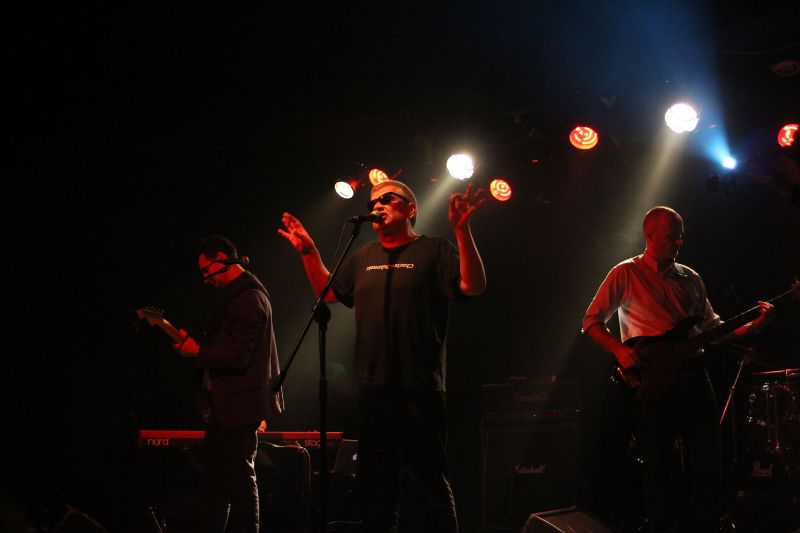
Świetliki – dark and ironic storytelling
Świetliki formed in Kraków in 1992, although the band’s singer and frontman Marcin Świetlicki is originally from Lublin.
Their music captures the late-night vibe of the city beyond the touristy old town. Think atmospheric indie rock, coupled with spoken poetry rather than sung poetry.
[👈 Click on the arrow for more about Świetliki]
Led by the prolific poet Marcin Świetlicki, the lyrics are dark snapshots from everyday (or every night) life, often with an absurd twist. And you don’t need to dig very deep to find a refreshing sense of humour: The song “Złe misie” with Nosowska is a play on the phrase “złe mi się” (I feel bad), which sounds like “złe misie” (evil teddy bear). “Personalny misiu” (Personal teddy bear) can be described as a short spin-off of Depeche Mode’s “Personal Jesus”.
They’ve released six albums to date. In 2020, the album Wake me up before you fuck me was awarded a Fryderyk for best alternative album of the year.
Świetliki’s singer Marcin is a celebrated poet and journalist, and he’s also appeared in a couple of films. In 1998, he had the lead role in Wojciech Smarzowski’s low-budget drama Małżowina (starring alongside Maciej Maleńczuk). Małżowina is available on YouTube if you want to check out what Smarzowski got up to before he created films like Wesele (The wedding) and Kler (Clergy). You can also spot Marcin in the film Anioł w Krakowie (Angel in Kraków), which is also available on YouTube.
Quick facts about Świetliki
What kind of music does Świetliki make?
Minimalist alternative rock built around spoken-word poetry and dark irony.
How long have Świetliki been active?
On and off since the early 1990s.
What are Świetliki’s biggest hits?
“Filandia,” “Opluty (44),” “Nieprzysiadalność.”
Tell me one interesting fact about Świetliki I should know:
While working for the underground magazine Tumult, Marcin Świetlicki conducted one of the first interviews with Maciej Maleńczuk.
Which artists in Western Europe or America can Świetliki be compared to?
Tindersticks, The Fall, Leonard Cohen, Nick Cave and Tom Waits in a Polish late-night setting.
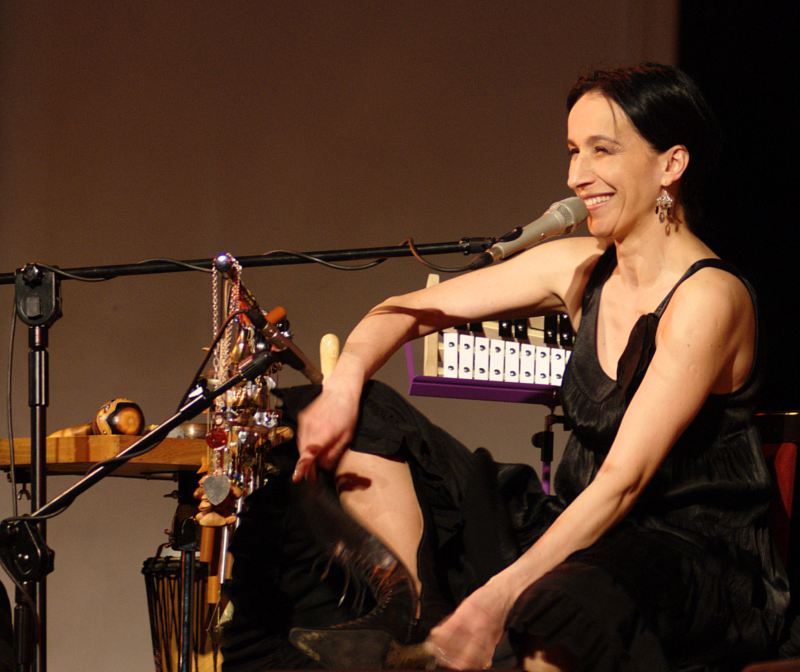
Renata Przemyk – bold, experimental creations
It’s hard to put a label on Renata Przemyk. She moves confidently from rock with attitude to poetic arrangements, accompanied by her powerful voice and an accordion, her signature instrument. I see her as a worthy heiress to Kora (Maanam’s singer) and Ewa Demarczyk.
She grew up in Bielsko-Biała, but has lived and worked in or close to Kraków long enough to be considered a local staple.
Przemyk has been active since the late 1980s, first with the band Ya Hozna, then as a solo act from 1990 onwards. She’s released a total of 10 records to date, including the brand new single Biegnę (I’m running), released in March 2026.
Quick facts about Renata Przemyk
What kind of music does Renata Przemyk make?
Arty-alternative rock and poetic folk, often accompanied by her signature instrument, the accordion.
How long has she been active?
From the late 1980s to present.
What are her biggest hits?
“Odjazd”, “Kochana” (with Nosowska), “Kłamiesz” (with Vienio)
Tell me one interesting fact about Renata Przemyk I should know:
The magazines Polityka and Wprost have both included her on a list of the 100 most influential artists in Poland.
Which artists in Western Europe or America can Renata Przemyk be compared to?
Imagine a Polish version of P.J. Harvey, Kate Bush, or Patti Smith, heavily influenced by Tom Waits.
Grzegorz Turnau – sophisticated songs with a dreamy vibe
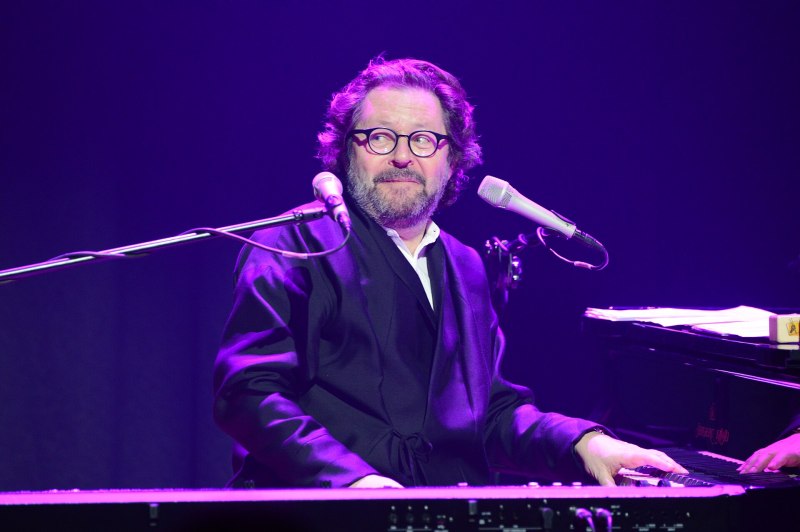
Born and bred in Kraków, Grzegorz Turnau is a vocalist, pianist, arranger, composer, and poet who performs melodic, jazz-inspired pop and sung poetry.
[👈 Click on the arrow for more about Turnau]
Turnau is yet another Kraków-based artist with a connection to the bar Piwnica pod Baranami, where he debuted when he was just 17 years old.
His lyrics are sometimes based on Polish poetry and sometimes his own creations. One of his most famous songs is the dreamy “Bracka” (1995), about one of the streets that leads to the main square Rynek.
Since 2016, he’s been the musical director of the Lalka Theatre in Warsaw.
Quick facts about Grzegorz Turnau
What kind of music does Grzegorz Turnau make?
Piano-led art-pop and sung poetry with jazz and classical influences.
How long has Grzegorz Turnau been active?
From the late 1980s to present.
What are Grzegorz Turnau’s biggest hits?
“Bracka,” “Między ciszą a ciszą,” “Cichosza.”
Tell me one interesting fact about Grzegorz Turnau I should know:
Grzegorz Turnau co-founded Winnica Turnau, which has become one of Poland’s largest vineyards.
Which artists in Western Europe or America can Grzegorz Turnau be compared to?
Rufus Wainwright, Billy Joel, Steely Dan and Donald Fagen, Joe Jackson – but framed in a very specific Krakowian tradition.
Mgła – black metal with global reach
I’ve never been into black metal and am not the best person to evaluate the quality of a band like Mgła. Having said that, even I listened to the whole of Exercises in Futility and could somehow appreciate the layers behind the roars.
[👈 Click on the arrow for more about Mgła]
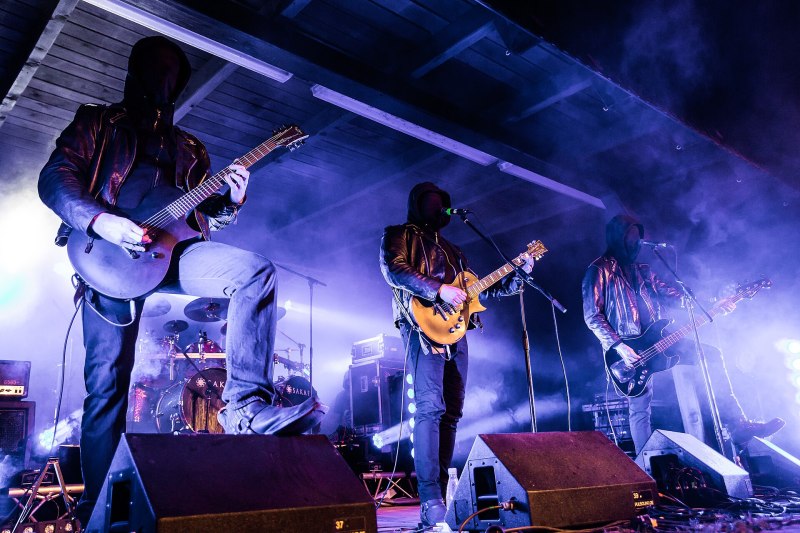
Mgła is one of the few Polish bands that write songs primarily in English. And their international success speaks for itself. Mgła’s atmospheric, nihilistic sound and mysterious stage presence have a strong following in many parts of the world.
The band formed in Kraków in 2000. The first full-length album, Groza, was released in 2008. Since then, they’ve released another three albums: With Hearts Toward None (2012), Exercises in Futility (2015), and Age of Excuse (2019).
Quick facts about Mgła
What kind of music does Mgła make?
Atmospheric, philosophically inclined black metal.
How long have Mgła been active?
Since 2000.
What are Mgła’s biggest hits?
The 2015 album Exercises in Futility is often hailed as their masterpiece.
Tell me one interesting fact about Mgła I should know:
They perform anonymously, wearing hoods.
Which artists in Western Europe or America can Mgła be compared to?
Uada (according to Gemini), Deathspell Omega and Mayhem (according to ChatGPT).
Kroke – klezmer, jazz, world music
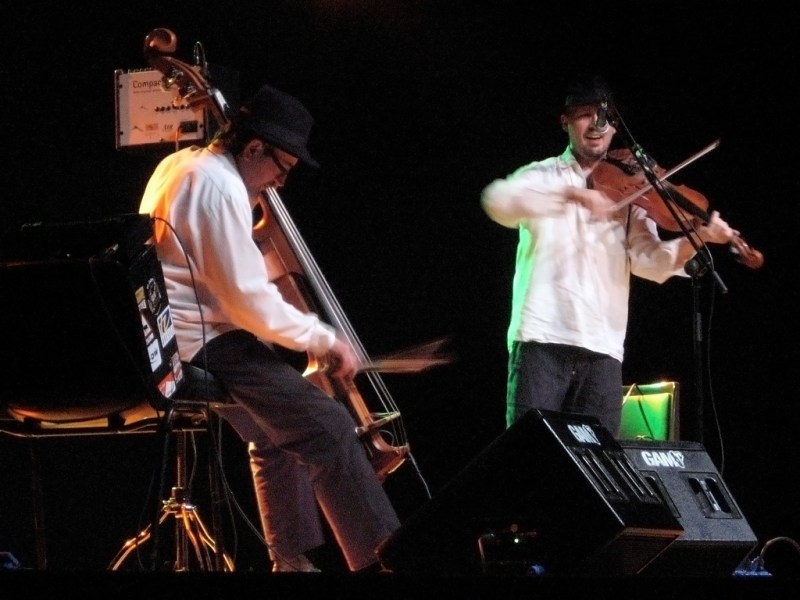
Kroke was formed in 1992 by three graduates of the Kraków Academy of Music: Tomasz Kukurba (viola), Jerzy Bawoł (accordion), and Tomasz Lato (double bass).
Initially inspired by traditional Jewish klezmer music, they have evolved as a band to include elements of jazz and world music.
👈 Click on the arrow to read more about Kroke
In 1997, they were invited to collaborate with Peter Gabriel and the album Eden was released on his Real World Records label. Since then, they’ve built a strong global following and toured extensively.
They’ve also collaborated with artists such as Nigel Kennedy and recorded music for film and theatre.
Quick facts about Kroke
What kind of music does Kroke make?
Mostly instrumental music rooted in klezmer with additional influences from jazz and world music.
How long has Kroke been active?
Since the early 1990s.
What are Kroke’s best-known works?
The albums East (1997) and East Meets East (2003).
Tell me one interesting fact about Kroke I should know:
The band’s name is the Yiddish word for Kraków, reflecting their connection to the city’s Jewish cultural heritage.
Which artists in Western Europe or America can Kroke be compared to?
I asked ChatGPT and Gemini to chime in here: ChatGPT said “The Kronos Quartet meeting Dead Can Dance in a Central European setting” and Gemini suggested Beirut, Masada, Punch Brothers and Béla Fleck. To me, it just sounds like klezmer :)
Newer Kraków voices
Igo – fresh pop, soul, and electronic vibes
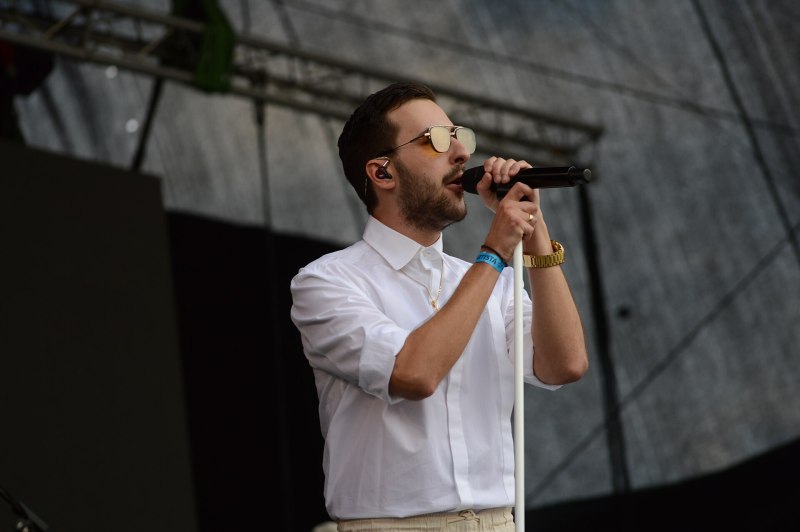
Igo is a Kraków-born singer, composer, lyricist, and entrepreneur.
Before going solo, Igo was the lead singer of the rock band Clock Machine. He also collaborated with Kuba Tracz in the duo Bass Astral x Igo, known for blending electronic sounds with rock influences.
He’s released several albums on his own and is also a well-known face in the hugely popular Męskie Granie concert series. His music is characterized by a soulful, versatile vocal style that makes him one of the most recognizable voices in contemporary Polish music.
Quick facts about Igo
What kind of music does Igo make?
Igo moves seamlessly between indie-rock, pop, soul, and electronic.
How long has Igo been active?
From 2009.
What are Igo’s biggest hits?
“Helena” and “Bruce”. The singles he recorded for Męskie Granie (“Sobie i Wam” in 2019 and “Świtu” in 2020) were also very successful.
Tell me one interesting fact about Igo I should know:
In 2016, he co-founded his own independent record label, Iglo Records.
Which artists in Western Europe or America can Igo be compared to?Hozier, Rag’n’Bone Man, The Weeknd.
Lor – indie-folk with string arrangements
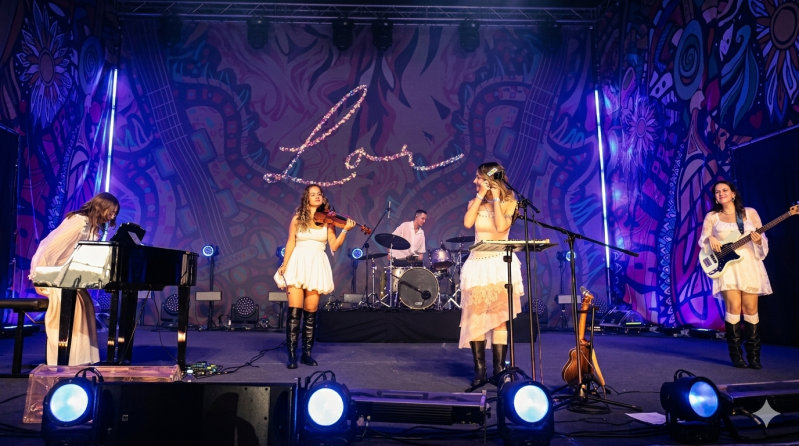
Lor is an indie-folk quartet made up of four talented young ladies: Jagoda Kudlińska (vocals), Julia Błachuta (violin), Julia Skiba (piano/composer), and Paulina Sumera, who serves as the band’s main lyricist. The name is derived from the word “folklore”, revealing what inspires them to make music.
[👈 Click on the arrow for more about Lor]
In the beginning, they wrote their songs in English. First out (in 2015) was the single “The Garden of Happy Dead People”, which got its name from the Friedensreich Hundertwasser painting with the same name. The debut album Lowlight followed in 2019.
Since 2021, they focus on Polish lyrics and their sound has evolved into more cinematic compositions. At the time of writing, they’ve made 5 albums, including the brand new pele-mele (released in March 2026).
Quick facts about Lor
What kind of music does Lor make?
Folky indie and pop, but also more cinematic compositions with string arrangements.
How long have Lor been active?
The band formed in 2015, when the girls were still teenagers.
What are Lor’s biggest hits?
“Mło(dość)”, “Nikt”.
Tell me one interesting fact about Lor I should know:
They have a dedicated lyricist: Paulina Sumera, who neither sings nor plays an instrument in the band.
Which artists in Western Europe or America can Lor be compared to?
Keaton Henson, Birdy, Agnes Obel (none of which I had heard of before; I had to ask ChatGPT for help :)
Patrick the Pan’s reflective indie pop
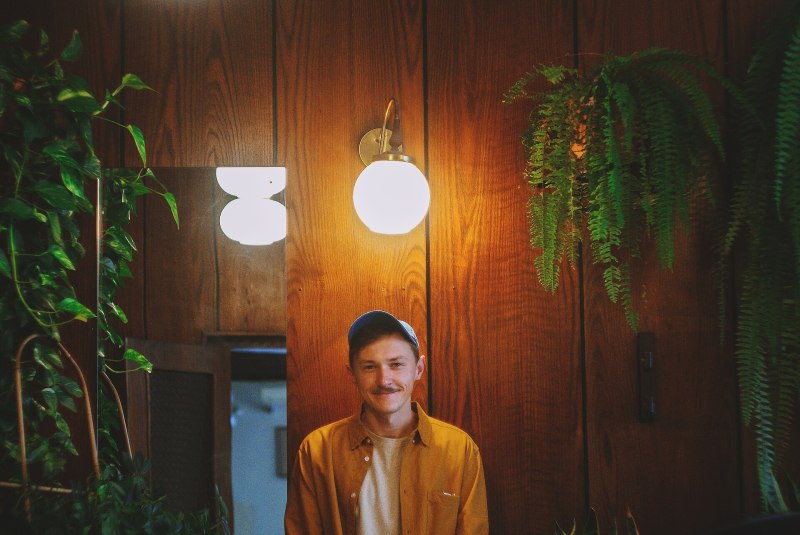
Patrick the Pan (the stage name of Piotr Madej) is a multi-instrumentalist, singer, songwriter, and producer. His work can be described as atmospheric indie pop, often served with thoughtful lyrics.
Since his first album in 2014, he’s released another four. The last one is from 2024 and has the impressively long album title To nie najlepszy czas dla wrażliwych ludzi, which means “It’s not the best time for sensitive people”.
Quick facts about Patrick the Pan
What kind of music does Patrick the Pan make?
Reflective indie-pop with atmospheric electronic vibes.
How long has Patrick the Pan been active?
From around 2012. His first full-length album was released in 2014.
What are Patrick the Pan’s biggest hits?
“Niedopowieści” (feat. Dawid Podsiadło), “Remanenty serca” (feat. Daria Zawiałow), and “Nie chcę psa”.
Tell me one interesting fact about Patrick the Pan I should know:
His stage name is the result of a typo. He was going to call himself “Patrick the Pen”, but when naming a digital folder he accidentally wrote “Pan” and decided to keep it. (If you’re a student of Polish, you probably know that “Pan” means “Mr”.)
Which artists in Western Europe or America can Patrick the Pan be compared to?
Bon Iver and the melodic side of Radiohead.
Sources
👈 Click on the arrow for a list of sources used to make this article
YouTube video about Ewa Demarczyk
Ewa Demarczyk on Wikipedia
Skaldowie on Wikipedia
Marek Grechuta on Culture.pl
Marek Grechuta on Wikipedia
Andrzej Zaucha on Wikipedia
Zbigniew Wodecki on Wikipedia
Zbigniew Wodecki on Culture.pl
Maanam on Culture.pl
Maanam on Wikipedia
Maanam on Gwiazdy.Viva.pl
Marek Maleńczuk on Wikipedia
Püdelsi on Wikipedia
Homo Twist on Kultura Poznan
Homo Twist on Music Corner Records
Homo Twist on Wikipedia
Świetliki on Wikipedia
Marcin Świetlicki on Culture.pl
Małżowina (YouTube)
Anioł w Krakowie (YouTube)
Renata Przemyk on Wikipedia
Renata Przemyk on Grokipedia
Renata Przemyk and Andergrant on Radio Trojka
Mgła on Wikipedia
Mgła on Metal Archives
Kroke on Wikipedia
Igo on Wikipedia
Lor on Wikipedia
Lor on tosc.fandom.com
Patrick the Pan on Wikipedia
Suggested Kraków music walking tour
If you’re visiting Kraków, here are a few places to visit for a music-related walking tour. You’ll find all places below marked on this Google Map.
- Start at Rakowicki Cmentarz (Cemetery). While a cemetery may seem like an odd holiday suggestion, Rakowicki is not just the final resting place for Ewa Demarczyk, Marek Grechuta, and Zbigniew Wodecki. It’s also worth a stroll in its own right – full of elaborate grave stones and statues.
Walk to the cemetery from the centre or take tram 76 from the stop Teatr Słowackiego. - The next stop is Zbigniew Wodecki Square (Skwer Zbigniewa Wodeckiego), which is a part of the Planty Park. There’s no specific memorial or statue here, just a green space named after Wodecki.
By the way, if you’re planning to visit Katowice (around one hour from Karkow), there’s a nice Zbigniew Wodecki mural to check out there. - Not far from Wodecki’s square is the Krzysztof Komeda mural. The jazz giant Komeda is perhaps most famous for the spooky soundtrack to Roman Polanski’s horror movie Rosemary’s Baby.
Komeda is usually associated with Poznan and other parts of Poland, but he played at Piwnica pod Baranami. - Head over to Ulica Bracka, the street eternalised by Grzegorz Turnau in his song “Bracka”. Ulica Bracka is full of great cafes, lunch places and bars. A few recommendations:
- Cafe De Revolutionibus for a combination of coffee, cakes, and books
- No Bones restaurant for a creative and delicious vegan lunch
- Nowa Prowincja bar, famous for having welcomed literary giants like Czesław Miłosz and Wisława Szymborska.
- Around the corner from Ulica Bracka is the iconic Piwnica pod Baranami, associated with so many of Kraków’s most cherished acts: Ewa Demarczyk, Marek Grechuta, Zbigniew Wodecki, and Grzegorz Turnau.
Would you like vodka with that?
- My friend Angel offers tours of Kraków’s Vodka Factory museum and the surrounding area.
What’s your favourite Kraków band?
Please share in the comments section below!


Leave a comment